

Storing petrol in jerry cans raises two immediate questions: How long can you store petrol in a jerry can, and how can you store it safely and legally?
This guide provides expert insights into both these concerns, detailing the typical shelf life of petrol, explaining the chemical and environmental processes that shorten fuel life, and covering UK regulatory obligations for both domestic and business storage.
You’ll also find practical, safety-first advice on container selection, storage conditions, the use of fuel stabilisers, and when larger, industrial solutions like UN-approved IBCs and bunded storage might be necessary.
Typical Shelf Life of Petrol Stored in a Jerry Can
The shelf life of petrol depends significantly on the container type and storage conditions. When stored in a sealed metal jerry can, fresh petrol can remain usable for around six months to a year.
In contrast, petrol stored in an HDPE plastic jerry can may degrade faster due to permeability and air exchange, with typical degradation occurring within 3-6 months. If you’re wondering how long you keep petrol in a jerry can, it’s typically within these ranges, but the shelf life will depend on factors such as container type and storage conditions.
Effect of Fuel Stabilisers on Shelf Life
Fuel stabilisers help to extend petrol’s usable life by slowing oxidation, preventing gum formation, and protecting against ethanol separation in blends. With a stabiliser, petrol can last up to 18 months in a sealed container. Without stabilisers, the fuel is generally unusable after six to twelve months. However, stabilisers do not prevent all forms of degradation, particularly in fuels with ethanol.
Quick Comparison of Petrol Shelf Life
| Container Type | Typical Shelf Life (Unstabilised) | Typical Shelf Life (With Stabiliser) | Key Risks |
| 5-20L Galvanised Steel Jerry Can | 6-12 months | 9-18 months | Corrosion if contaminated, vapour loss |
| 20L Heavy-duty HDPE Plastic Can | 3-6 months | 6-12 months | Permeation, air ingress, ethanol effects |
| Small Metal Can with Tight Seal | 6-12 months | 9-18 months | Better vapour barrier, still oxidises |
| Bulk Petrol (UN-Approved IBC) | 12+ months (with treatment) | 18+ months (with stabiliser & management) | Requires bunding and regulatory compliance |
This table provides a clear overview of the factors influencing fuel shelf life, helping businesses and consumers make informed choices based on their specific needs.
Looking to enhance your fuel storage? Explore our oil spill kits and bunded storage solutions to help you store petrol safely and compliantly.
How Petrol Degrade Over Time in Containers
Over time, petrol degrades through several chemical and physical processes that can reduce performance and damage engines. The main degradation mechanisms include:
- Evaporation of Light Fractions: As petrol sits in a container, its lighter, more volatile compounds evaporate, lowering its octane rating.
- Oxidation: This process results in the formation of gums and varnishes that can clog fuel systems.
- Polymerisation: Sticky residues may form in the fuel, leading to blockages.
- Phase Separation (for Ethanol-Blended Fuels): Ethanol-blended petrol is particularly susceptible to phase separation, where water contaminates the fuel, causing the ethanol and water to separate from the petrol.
If petrol is stored for too long, the degradation can affect its performance, and you may start to notice visual signs such as a darker hue, a sour or varnish-like odour, or deposits in caps and spouts. In the case of storing fuel for extended periods, some might also ask, how to put diesel in a car from jerry can safely, especially when dealing with different fuel types in similar containers.
How Storage Conditions Affect Petrol Longevity in Jerry Cans
Storage conditions play a significant role in the degradation of petrol. Factors such as temperature, sunlight exposure, container seal integrity, and headspace can dramatically affect petrol longevity.
If you’re wondering how long you can store petrol in a jerry can, proper storage conditions can make a huge difference in extending the usable life of your fuel.
- Temperature: Store petrol in a cool, stable environment to reduce evaporation rates. Higher temperatures accelerate the loss of volatile compounds and increase oxidation.
- Sunlight: Direct sunlight should be avoided, as UV rays can cause chemical reactions that degrade fuel.
- Headspace: Keep containers as full as possible to minimise air exposure. Less air means reduced evaporation and oxidation.
- Seal Integrity: Ensure that the seals on the container are tight and intact to prevent air and moisture from contaminating the petrol.
By controlling these variables, you can extend the usable life of your petrol by several months.
Safe Petrol Storage Guidelines for Jerry Cans
To store petrol safely, follow these guidelines:
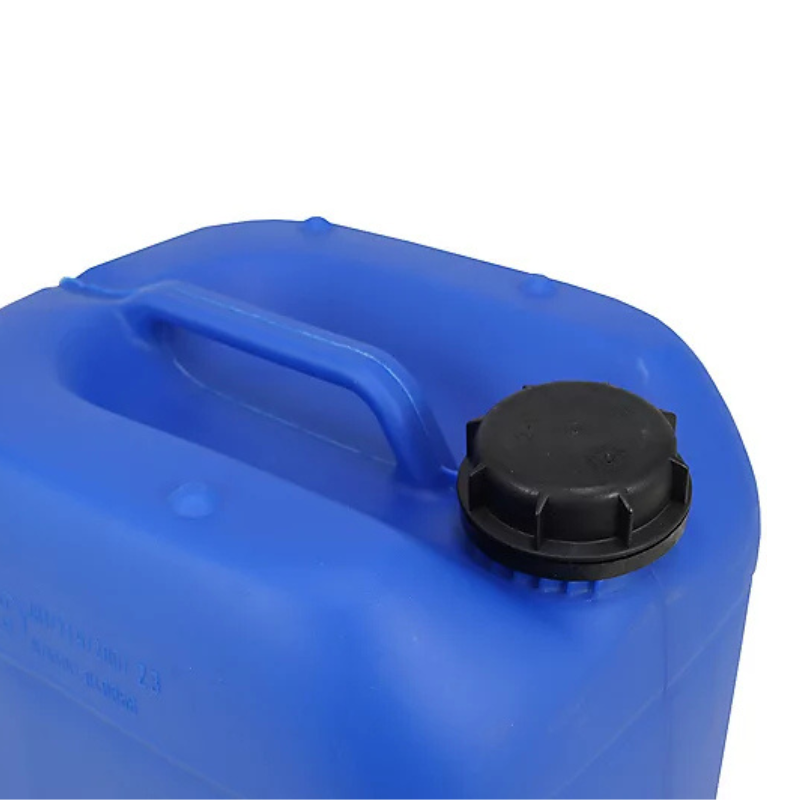
- Approved Containers: Always use containers that are specifically designed for petrol storage. These containers should have secure caps and vents to allow the petrol to expand or contract without creating pressure inside the can.
- Label the Containers: Clearly label each container with the fuel type and the date it was filled. This ensures that you are using the oldest stock first.
- Safe Storage Environment: Petrol should be stored in a ventilated, dry, and secure location, away from any ignition sources. For domestic use, ensure quantities are within legal limits. For business use, consider conducting a DSEAR risk assessment (Dangerous Substances and Explosive Atmospheres Regulations).
- Regular Inspections: Periodically inspect petrol containers for leaks, corrosion, or bulging. If a container shows signs of degradation, remove it from circulation immediately for safe disposal.
Ready to improve your petrol storage? Explore our range of approved plastic drum containers for safe, compliant storage of petrol and other liquids.
UK Petrol Storage Regulations for Businesses and Individuals
The UK regulatory framework for petrol storage is designed to minimise safety and environmental risks, with clear guidelines on the types of containers allowed and storage limits.
- Petroleum (Consolidation) Regulations 2014 (PCR 2014): These regulations prescribe which container types and storage limits are allowed for both domestic and business use. Enforcement is carried out by local Petroleum Enforcement Authorities (PEAs).
- DSEAR Regulations: Businesses storing flammable liquids like petrol must conduct a DSEAR risk assessment to identify hazards and implement safety measures, including the control of ignition sources.
- Environmental Protection: Businesses must also ensure that storage practices prevent spills and contamination. This may involve bunding and secondary containment for larger volumes of fuel.
By adhering to these regulations, businesses can mitigate risks and ensure they comply with the law.
When to Consider Industrial Fuel Storage Solutions Beyond Jerry Cans
For businesses or larger operations that require frequent or high-volume fuel storage, industrial solutions like UN-approved IBC containers and bunded tanks may be necessary.
If you’re considering a different type of fuel storage and wondering why it’s called a jerry can, the term originated during WWII due to the German design, which was highly efficient for transporting fuel.
| When to Transition to Industrial StorageStoring hundreds of litres of fuel regularly.Transporting hazardous liquids between sites.Meeting compliance requirements for larger volumes of fuel. | Key Benefits of Industrial Fuel Storage SolutionsLarger capacity reduces handling frequency.Regulatory compliance with UN certification and bunding.Enhanced safety with integrated spill containment systems. |
Ready to scale up your storage solutions? Explore our UN-approved IBC containers for safe, compliant storage of larger fuel volumes. Browse our collection of new IBCs here.
How Fuel Stabilisers Extend the Shelf Life of Petrol in Jerry Cans
Fuel stabilisers work by slowing oxidation and inhibiting the formation of gums and other harmful compounds. By adding a stabiliser to your petrol, you can extend its usable life by several months, ensuring it remains operational even if stored for longer periods.
Best Practices for Using Fuel Stabilisers
- Add stabiliser immediately after filling the container.
- Follow the manufacturer’s dosing instructions carefully to avoid overdosing or underdosing.
- Label the container with the stabiliser application date to track the treatment.
Fuel stabilisers are a practical tool for both home and business use, but they must be used in combination with proper storage practices to be most effective.
So, How Long Can You Store Petrol in a Jerry Can?
In conclusion, the duration of how long you can store petrol in a jerry can depends on various factors such as the container type, storage conditions, and the use of fuel stabilisers. Metal jerry cans tend to provide better protection against evaporation and oxidation compared to plastic containers, but both require proper handling to maintain fuel quality.
For businesses, adhering to UK regulations and conducting regular inspections of storage conditions is crucial for ensuring safety and compliance. Additionally, fuel stabilisers can significantly extend the usable life of petrol in storage, but should always be used in conjunction with best storage practices.
Need assistance with your fuel storage needs? Have questions about IBC containers, spill kits, or fuel stabilisers? Our team is here to help! Contact us today to get expert advice, explore our range of products, or request a quote.