
Key Points:
- Discover how reconditioned IBCs simplify liquid transportation, offering cost savings and environmental benefits.
- Learn about safety standards, compliance requirements, and best practises to ensure efficient and secure operations.
- Avoid common mistakes and maximise the lifespan of your containers with proper preparation and maintenance.
Transporting liquids efficiently is a cornerstone of many industries, from agriculture to manufacturing. Intermediate Bulk Containers (IBCs) have revolutionised liquid transportation, providing a scalable and cost-effective solution for businesses.
Reconditioned IBCs, in particular, offer an eco-friendly, compliant alternative to new containers, without compromising on safety or functionality. In this guide, we’ll delve into the best practises for how to transport liquids, focusing on the benefits and considerations of using reconditioned IBCs.
Understanding IBCs and Their Benefits
IBCs are designed for efficient bulk liquid transport, offering significant storage capacity—typically between 1,040 and 1,250 litres (275 to 330 US gallons). Compared to traditional drums, IBCs provide enhanced stacking and transportability, making them indispensable for industries that handle large volumes of liquids.
Why Choose Reconditioned IBCs?
Reconditioned IBCs are cleaned, inspected, and refurbished to meet safety and performance standards. These containers:
- Reduce Costs: Reconditioned options are more budget-friendly than new IBCs.
- Promote Sustainability: Reusing materials decreases waste and environmental impact.
- Ensure Safety: Compliance with UN standards guarantees reliable performance for hazardous liquids.
Explore our range of reconditioned IBCs here.
Choosing the Right Type of IBC for Liquid Transport
Selecting the correct IBC for liquid transportation is crucial for operational success. IBCs come in three main categories:
- New IBCs: Ideal for food-grade and pharmaceutical applications where contamination risks must be minimised.
- Washed IBCs: Suitable for non-food-grade liquids that require cleaning but not brand-new containers.
- Rebottled IBCs: An economical choice for transporting non-hazardous or industrial liquids.
Each type offers unique features to suit different industries and liquid types. When deciding, consider factors like liquid compatibility, required certifications, and transport conditions.

Preparing IBCs for Transport
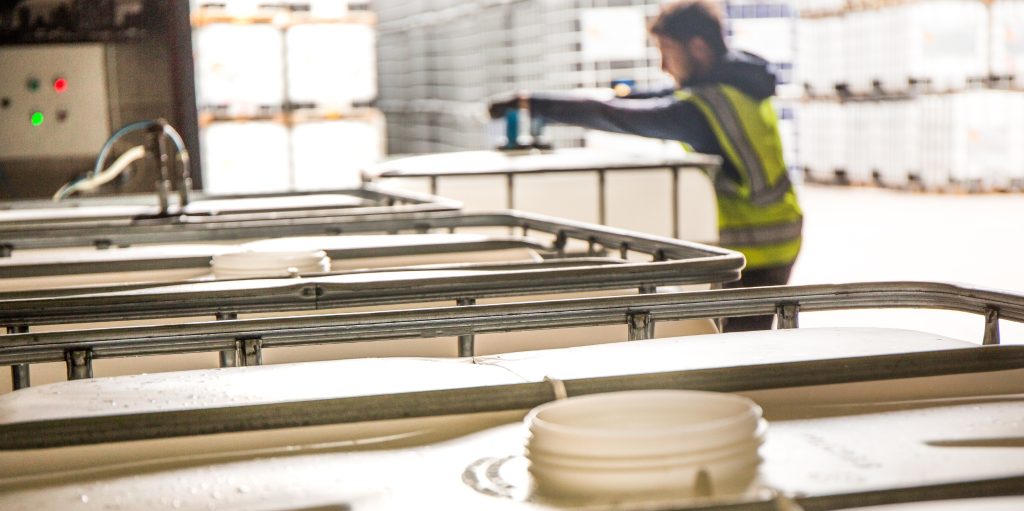
Proper preparation ensures your IBCs are safe and effective for transport. Follow these steps:
- Clean Thoroughly: Remove any residue from previous contents to avoid contamination.
- Inspect for Damage: Check for leaks, weakened walls, or damaged fittings.
- Secure Fittings: Ensure all caps, valves, and seals are tightly secured to prevent leaks.
Neglecting these steps can compromise the integrity of the container and the quality of the liquid being transported. Note that you can make use of our IBC cleaning services to keep your containers in a suitable condition.
Best Practises for Liquid Transportation
Efficient liquid transportation requires adherence to best practises:
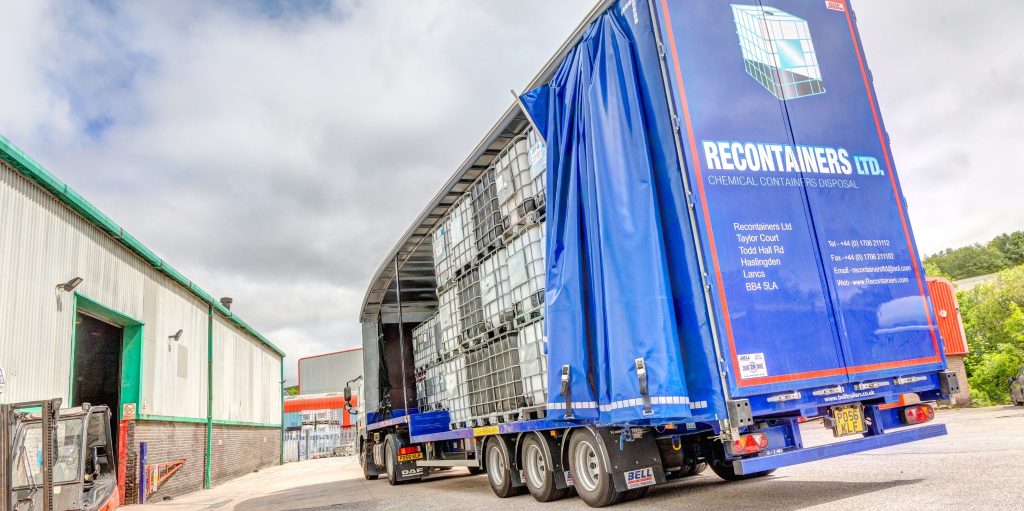
- Stack Securely: Use stabilising systems to prevent movement during transport.
- Train Personnel: Ensure staff are trained in handling IBCs, particularly for hazardous materials.
- Use Flow Control Tools: Employ pumps or valves to manage liquid flow during loading and unloading.
These practises enhance operational efficiency while minimising the risk of accidents or spills. You can learn more about securely stacking IBCs in our guide.
Safety Standards and Compliance
Compliance with safety standards is non-negotiable when you transport liquid in IBCs. UN-certified IBCs must meet rigorous leak and performance testing standards every 30 months to remain compliant. Businesses handling hazardous materials must stay updated on these regulations to avoid penalties and maintain safe operations.
Key Compliance Tips:
- Keep inspection records up-to-date.
- Use certified containers for hazardous materials.
- Train personnel on compliance protocols.
The Cost-Effectiveness of Reconditioned IBCs
Reconditioned IBCs are not only budget-friendly but also deliver long-term value. Businesses save on upfront costs while benefiting from reliable performance. Additionally, reduced waste from reconditioning aligns with sustainability goals, enhancing a company’s environmental credentials.
Financial Advantages:
- Lower purchase costs compared to new IBCs.
- Reduced risk of fines due to container failure.
- Longevity with proper maintenance, extending usability over decades.
Common Mistakes to Avoid
Avoid these pitfalls to ensure safe and efficient liquid transport:
- Skipping Inspections: Failing to check for leaks or damage increases risk.
- Improper Handling: Mishandling during loading or unloading can cause spills.
- Using Incorrect IBC Types: Not all IBCs are suitable for every liquid type.
Proactive training and preparation help mitigate these risks, ensuring smooth operations.
Conclusion
Reconditioned IBCs provide an eco-friendly, cost-effective solution for liquid transportation. By adhering to safety standards, following best practises, and investing in proper preparation, businesses can optimise their operations while minimising costs and environmental impact.
Explore our wide range of reconditioned IBCs and accessories to start improving your liquid transport system today.
[…] For tips on safe liquid handling, visit our guide on transporting liquids. […]