

Chemical spills, even small ones, can escalate quickly without the right response. Understanding how to use a chemical spill kit is essential for protecting people, preventing contamination, and meeting UK regulatory guidelines.
We’ll provide a structured, professional walkthrough tailored to operations, facilities and procurement teams who require dependable, compliant spill control procedures. It also clarifies what should be in a chemical spill kit, how different kit types apply to various risk profiles, and the safety principles underpinning effective spill management.
Why a Clear Chemical Spill Procedure Matters
A structured response ensures decisions are made calmly, hazards are correctly assessed, and controls are implemented in the right sequence.
Most workplaces handling acids, alkalis, solvents or oils face foreseeable spill risks that fall under COSHH (Control of Substances Hazardous to Health), the Environmental Protection Act, and hazardous waste controls. A well-trained team using a properly stocked kit reduces exposure, prevents drains from being contaminated and supports accurate incident reporting.
Let’s now address common questions, including how to handle a chemical spill with a spill kit, and what the difference is between a chemical spill kit and a biohazard cleanup kit, helping teams select and deploy kits confidently.
Essential Steps for Using a Chemical Spill Kit
1. Assess the Situation and Secure the Area
Start by identifying the substance via the SDS (Safety Data Sheets) or container label. Look for hazards such as toxicity, volatility, corrosivity or ignition risk. Establish a perimeter, prevent unauthorised entry, and protect drainage points early. If the spill involves aggressive fumes or an escalating risk, activate emergency procedures and escalate to external responders.
This initial assessment informs PPE selection, the containment strategy, and whether a spill kit is appropriate for the chemicals involved.
2. Put On Appropriate PPE
Select gloves, goggles, aprons, boots and respiratory protection based on the SDS. For most industrial environments, nitrile or neoprene gloves and appropriate eye protection form the minimum standard. Ensure PPE fits correctly and check for damage before beginning the cleanup.
PPE is especially critical when responders must decide how to handle a chemical spill with a spill kit safely while limiting exposure to corrosive or volatile substances.
3. Contain the Spill Quickly and Effectively
Deploy absorbent socks or booms around the perimeter to stop the spread of liquid and protect drains. Use drain covers if the spill is near watercourses or floor gullies. The principle is simple: prevent migration first, then reduce volume.
Once contained, responders can choose the correct absorbents for the chemical profile and begin controlled clean-up.
4. Absorb, Collect and Remove Contaminated Materials
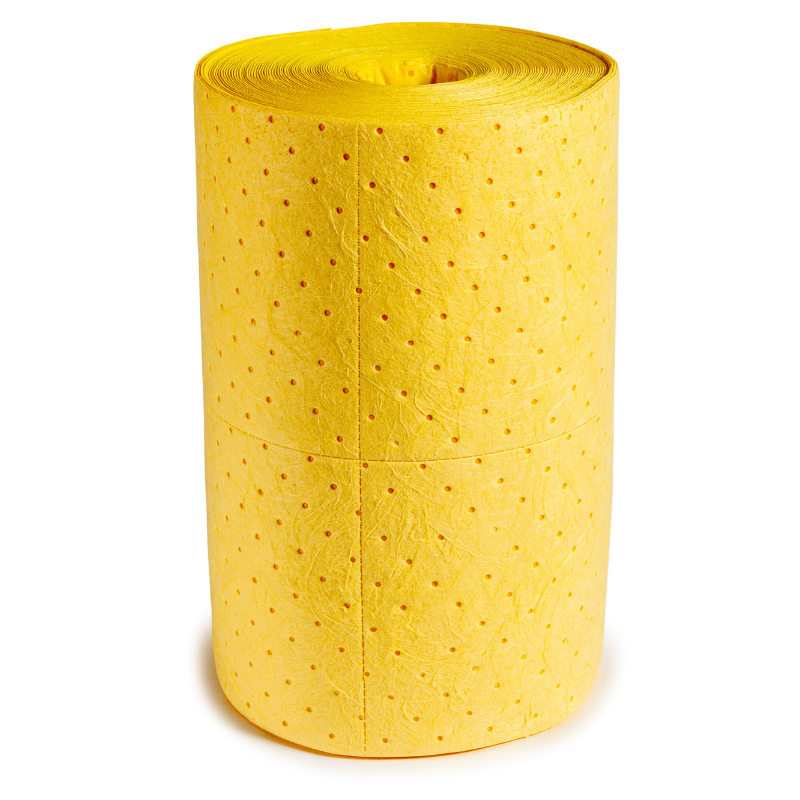
Lay pads, pillows or granules from the outside of the spill inward. Universal absorbents handle a broad range of liquids, while chemical-specific products are designed for hazardous acids, alkalis or solvents.
Oil-only absorbents target hydrocarbons and sit on water, which aligns with the difference between a chemical spill kit and an oil spill kit, since oil kits repel water and are not compatible with many corrosive substances. After saturation, place used absorbents and PPE in labelled hazardous waste bags and seal securely.
5. Decontaminate the Area and Complete Reporting
Use cleaning agents compatible with the chemical involved and follow any SDS-specific neutralisation guidance. Once the area is safe, complete incident documentation, compile hazardous waste paperwork where required, and initiate restocking procedures.


For a deeper understanding of the components, purpose and regulatory role of spill kits, explore our detailed guide on what a chemical spill kit is.
What Should Be in a Chemical Spill Kit and How to Choose the Right One
A well-specified kit reduces confusion during a real incident. Understanding the components of a complete chemical spill kit allows teams to assess suitability against their risk profile.
Typical components include:
- Absorbent pads (universal or chemical-specific)
- Absorbent socks and booms for containment
- Granules or pillows for bulk absorption
- Neutralisers for acid or alkali spills (where appropriate and trained)
- PPE (gloves, goggles, aprons, overshoes, respirators where required)
- Hazardous waste bags and labels
- Tools such as scoops, brushes and disposal ties
A spill kit for chemicals typically includes substance-compatible absorbents, PPE suited for corrosive risks, and clear instructions for safe use.
When procurement teams compare kit options, they often also consider the difference between a chemical spill kit and a biohazard cleanup kit. Biohazard kits target biological contamination and therefore contain disinfectants, clinical waste bags and non-chemical PPE. They should not be used for corrosive or solvent spills.
To compare chemical spill kit configurations and select the most suitable option for your site, browse our full range of chemical spill kits.
Different Types of Chemical Spill Kits and How They Apply
Workplaces vary significantly in their spill risks, and selecting the right kit improves incident readiness.
| LaboratoriesRequire compact kits with precise absorbents, neutralisers, and fine-control PPE. | Manufacturing and Production SitesOften need medium to large kits that manage larger spill volumes and include robust socks or booms. |
| IBC and Drum Storage AreasRequire high-capacity spill kits, bunded storage, and perimeter protection tools designed for bulk liquid containment. | Transport and LogisticsPrefer portable, mobile spill kits that can be deployed quickly on varied surfaces. |
These use cases also highlight the difference between a chemical spill kit and an oil spill kit, since oil kits suit hydrocarbon releases from machinery and vehicles, while chemical kits are configured to manage corrosive and reactive substances.
UK Regulatory Expectations for Chemical Spill Response
Regulatory frameworks define employer responsibilities, particularly under:
| COSHHRequires risk assessments, adequate control measures, and appropriate emergency arrangements, including spill response plans. | Environmental Protection ActMandates the prevention of pollution to land or water and requires reporting significant environmental releases. | Hazardous Waste RegulationsSet requirements for consignment notes, contractor licensing and secure waste handling. |
Understanding these expectations equips teams to document incidents correctly and show due diligence.
For a full breakdown of the legal duties surrounding spill control, explore our detailed guide to spill kit regulations and requirements.
Training, Competency and Emergency Preparedness
A spill kit is only effective when responders are trained and confident. Training should include:
- Hazard recognition
- SDS interpretation
- PPE selection
- Correct deployment of spill kit components
- Waste handling procedures
- Escalation and communication pathways
Training should be refreshed regularly, particularly when chemicals or processes change.
Maintaining Your Chemical Spill Kit for Long-Term Readiness
An unused spill kit can degrade over time, making routine inspection essential. Monthly checks ensure that:
- Absorbents are dry and uncontaminated
- PPE is intact and within expiry
- Waste bags and labels are present
- Neutralisers remain sealed and within shelf life
- Access routes are unobstructed
Restocking should follow a simple SOP, triggered immediately after any incident or during scheduled inspections.
Selecting Quality Spill Kits and Support Services
Recontainers Direct provides spill kits, bunded storage and refill arrangements aligned to UK compliance expectations. Kits can be standardised for general operations or tailored for specialised chemicals and high-risk areas.
Custom configuration allows teams to match absorbents, PPE and neutralisers to the specific inventory on site, reducing unnecessary waste and improving response efficiency.
If you need guidance selecting the most suitable spill kit or a tailored configuration for your site, contact us for expert support.
Frequently Asked Questions
What are the key steps when learning how to use a chemical spill kit properly?
Assess the spill, secure the area, don PPE, contain the spread, stop the source if safe, absorb the liquid, decontaminate the area, and complete reporting. This sequence aligns with best practice and UK regulatory expectations.
How should chemical spill waste be disposed of?
Use registered waste carriers and ensure disposal goes to an authorised site. Label and segregate materials, and keep the correct paperwork. General waste routes are not appropriate for chemically contaminated absorbents.
How do I choose the right spill kit for my workplace?
Match kit chemistry and capacity to the chemicals stored, the spill volume risk, and the proximity to drains or sensitive areas. Pair the kit with bunded storage if handling bulk liquids such as drums or IBCs.